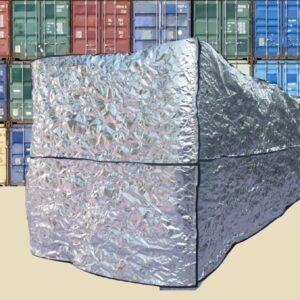
Insulated Shipping Container Liners
Insulated shipping container liners extend the principles of cold chain packaging to the largest common unit of freight — the standard 20-foot (TEU) or 40-foot intermodal shipping container. By lining the interior walls, floor, and ceiling of a standard dry freight container with high-performance insulation materials, container liners allow ambient containers to function as quasi-refrigerated units for temperature-sensitive bulk freight, providing a cost-effective alternative to expensive reefer container hire for suitable applications.
The primary application for container liners is in the export of temperature-sensitive bulk commodities where reefer container availability, cost, or logistics make a fully refrigerated solution impractical. Fresh citrus, stone fruit, and other temperate produce exported from Australia during summer harvest periods can benefit from container liner systems that significantly retard temperature rise during the voyage. This works best in combination with pre-cooled product and strategically placed gel ice packs or PCM gel bricks for active cooling.
For bulk seafood exports — large volumes of frozen prawns, canned seafood, or bulk frozen fish — container liners provide an insurance layer against temperature excursion during the ground transport leg between the cold store and the port, where the product may be exposed to ambient temperatures for periods that could cause partial thaw if the container is unprotected. Combine container liners with insulated pallet covers inside the container for a double layer of thermal protection for palletised loads.
Agricultural commodity exports — grain, nuts, and dried fruit — that are sensitive to moisture, heat, or humidity can benefit from container liners that moderate the internal container climate, reducing the condensation and temperature cycling that can compromise product quality on long ocean freight voyages to Asian, European, or Middle Eastern markets.
For pharmaceutical and chemical exporters, container liners designed with appropriate vapour barriers and insulation specifications can provide a validated temperature management solution for bulk ambient-range product that must be protected from temperature extremes — pharmaceutical active ingredients (APIs) or medical devices that must remain below 25°C throughout a voyage through tropical shipping lanes. For pharmaceutical shipments requiring documented temperature evidence, add temperature dataloggers to the consignment. Explore the full insulated packaging range.
Showing the single result