
Ice packs for shipping have become an essential tool for commercial logistics, enabling businesses to protect temperature-sensitive goods such as pharmaceuticals, seafood, dairy, meat, beverages, and fresh produce. As cold chain expectations increase globally, companies are shifting from traditional ice or dry ice to reusable and disposable gel-based ice packs for shipping that deliver stable, clean, and reliable cooling throughout transit.
Whether you operate in e-commerce meal delivery, seafood export, medical distribution, or national freight logistics, the right ice packs for shipping ensure compliance, freshness, and product integrity.
Why Ice Packs for Shipping Are Critical for Cold Chain Reliability
In commercial supply chains, temperature breaches can result in enormous product losses, customer complaints, and regulatory penalties. Using high-performance ice packs for shipping helps prevent temperature spikes and maintains consistent cooling over 24–96 hours depending on configuration.
Key Advantages of Ice Packs for Shipping
-
Keeps cartons colder for longer during transit
-
Non-toxic, food-safe refrigerants
-
Predictable thaw cycles
-
Reduces spoilage and waste
-
Works with insulated shippers, carton liners, and cooler bags
-
Lightweight compared to traditional ice
-
Suitable for land, air, and sea freight
-
Available in bulk for scalable operations
These benefits make ice packs for shipping indispensable for companies transporting temperature-sensitive products.
Types of Ice Packs for Shipping in Commercial Use
Not all ice packs are the same. Different industries require different cooling profiles, which is why several types exist.
Gel Ice Packs
Gel packs are the most commonly used ice packs for shipping due to their long cooling duration, flexibility, and cost-effectiveness.
Best for:
-
Meat and poultry distribution
-
Seafood transport
-
Dairy shipments
-
Meal kits and grocery delivery
External DoFollow reference:
USDA guidelines on perishable food transport — https://www.fsis.usda.gov
Dry Ice Replacement Packs (Dry Ice Packs)
These synthetic dehydrated refrigerant packs are activated by soaking in water and freezing before use. While technically not CO₂ dry ice, they are often called “dry ice packs” due to their performance.
Benefits:
-
No Dangerous Goods classification
-
Excellent long-haul cooling
-
Flexible when frozen
-
Reusable options available
Ice Bricks
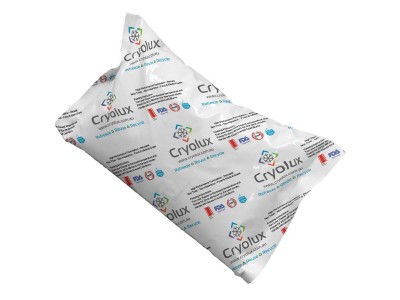
Rigid bricks used where structural strength is needed.
Ideal for:
-
Long-distance truck freight
-
Heavier boxes
-
Pallet shipments
Commercial Applications for Ice Packs for Shipping
Let’s break down the major industries that depend on ice packs for shipping.
Food Shipping & Ecommerce Meal Kits
Food distributors and meal kit companies rely on ice packs for shipping food because they maintain the required chilled temperature zone (below 5°C) during last-mile delivery.
Used for:
-
Fresh vegetables
-
Ready-made meals
-
Gourmet hampers
-
Online grocery orders
-
Dairy products
Ice packs help keep products fresh even in hot Australian conditions.
Seafood Export & Domestic Transport
Seafood is extremely temperature-sensitive, and even minor fluctuations can lead to bacterial growth or spoilage.
Using ice packs for seafood transport:
-
Ensures export-grade freshness
-
Eliminates meltwater contamination from flake ice
-
Reduces transport weight
-
Improves hygiene compliance
External DoFollow reference:
Australian seafood safety standards — https://www.foodstandards.gov.au
Pharmaceutical & Medical Logistics
Ice packs for shipping medicines are essential for maintaining 2°C–8°C stability for vaccines, diagnostics, insulin, and biologics.
Benefits include:
-
Predictable cooling
-
Compatible with validated shippers
-
No CO₂ safety risks
-
Supports regulatory compliance
-
Reduces product loss
External DoFollow reference:
Therapeutic Goods Administration (TGA) — https://www.tga.gov.au
How to Select the Right Ice Packs for Shipping
Choosing the correct pack ensures optimal cooling performance.
Key factors to consider:
-
Required temperature range – Chilled, frozen, or ambient protection
-
Shipment duration – 12 hr, 24 hr, 48 hr, or 72 hr
-
Seasonal conditions – Ambient air temperature varies greatly
-
Insulation type – Carton liners, foam, or vacuum panels
-
Payload size – Larger payloads require more refrigerants
How Many Ice Packs Do You Need for Shipping?
A general rule for chilled goods:
Use 700 g–1 kg of ice packs per 10 L of carton volume.
For pharmaceuticals (2°C–8°C):
Follow validated pack-outs or thermal modelling specific to your payload.
For frozen goods:
Combine ice packs with high-performance insulation for extended freeze times.
Best Practices When Using Ice Packs for Shipping
To maximise performance:
-
Precondition ice packs at optimal temperature (usually -20°C)
-
Fill empty space in boxes to prevent warm air pockets
-
Line cartons with foil or insulated mailers and liners
-
Place packs on top, sides, and bottom of the payload
-
Use temperature loggers for compliance tracking
These practices ensure strong cold chain visibility and protection.
Sustainability Benefits of Ice Packs for Shipping
Modern ice packs are moving towards environmentally conscious materials.
Sustainability advantages:
-
Reusable models reduce waste
-
Non-toxic gels
-
Recyclable outer films (varies by model)
-
Reduced weight lowers carbon footprint
Many companies add return-to-base logistics to reuse ice packs in circular shipping loops.