
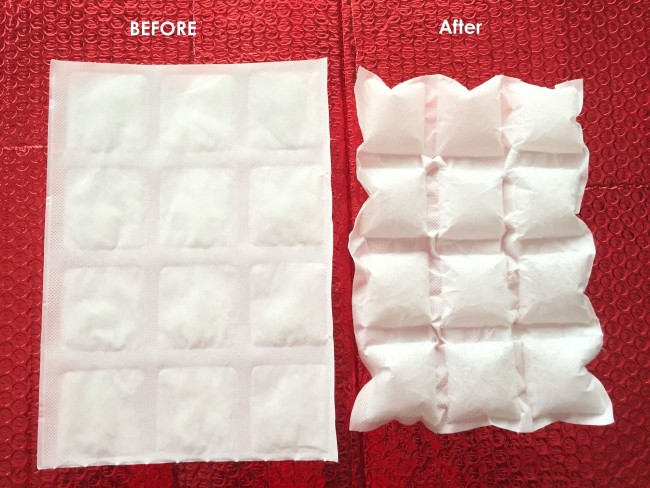
Dry ice packs are cost-effective dehydrated synthetic refrigerants that are activated on demand by soaking in water for a few minutes before freezing. These dry ice packs are available in both reusable and disposable formats, offering exceptional flexibility for commercial logistics. They can also be cut to size and remain flexible even when frozen. Thanks to this innovative technology, dry ice packs are straightforward to store, easy to freight, and extremely efficient for temperature-sensitive shipments.
As global cold chain demands grow across industries like pharmaceuticals, seafood, dairy, biotechnology, and fresh food delivery, dry ice packs have become a preferred choice for businesses seeking reliable cooling that avoids the regulatory challenges associated with traditional dry ice.
Why Dry Ice Packs Are Essential in Commercial Shipping
Dry ice packs are engineered to replace traditional dry ice while providing long-lasting cooling without hazardous material risks. Unlike dry ice pellets, which sublimate rapidly, synthetic dry ice packs retain their cooling effect in a predictable manner, making them ideal for long-haul logistics.
Key Advantages of Dry Ice Packs
-
Non-toxic and safe for food
-
Can be reused depending on model
-
Stable cooling for 24–72 hours
-
Not classified as Dangerous Goods (DG) like dry ice
-
No CO₂ emissions
-
Can be activated only when required
-
Flexible even when frozen
Internal link: If you want to understand how cold chain failures occur, see cold chain breach management.
How Dry Ice Packs Work
Dry ice packs are made from dehydrated synthetic refrigerant polymers sealed within a multi-ply outer layer. Before use, the user simply immerses the sheet or panel underwater for several minutes. The internal polymer absorbs water, expanding into a gel-like refrigerant mass.
Activation and Freezing
-
Soak the dry ice packs in water for 3–5 minutes
-
Allow the cells to fully hydrate
-
Freeze the pack for 12–24 hours
-
Use immediately to maintain optimal cooling
This hydration-then-freeze process allows businesses to store large quantities of undeveloped dry ice packs without needing extra freezer space.
Commercial Applications of Dry Ice Packs
Dry ice packs offer outstanding performance across multiple industries. Below are the key sectors where these refrigerants have become standard practice.
Dry Ice Packs for Seafood Logistics
Seafood exporters need stable cooling that prevents spoilage, bacterial growth, and temperature spikes. Traditional flake ice can create moisture contamination and adds considerable weight.
Dry ice packs provide:
-
Clean, moisture-free cooling
-
Cold retention suitable for export-grade seafood
-
Better hygiene compliance
-
Reduced freight weight
External DoFollow reference:
FDA seafood storage guidelines — https://www.fda.gov/food/seafood-guidance-documents-regulatory-information
Dry Ice Packs for Pharmaceutical Shipping
Pharmaceutical cold chain logistics demand precise temperature control, as product integrity can be compromised by even minor fluctuations.
Dry ice packs provide:
-
Consistent 2°C to 8°C cooling for medicines
-
Ideal stability for vaccines, biologics, and insulin
-
No dangerous goods restrictions
-
Predictable cooling curves for regulatory compliance
External DoFollow reference:
WHO cold chain standards — https://www.who.int/teams/health-product-policy-and-standards/standards-and-specifications/cold-chain
Dry Ice Packs for Dairy & Food Distribution
Dairy products such as cheese, cream, and yoghurt require a stable refrigerated environment to prevent spoilage.
Commercial food transport companies use dry ice packs to maintain cooling for:
-
Cheese and dairy shipments
-
Meal kit deliveries
-
Fresh & ready-made food delivery
-
Long-distance refrigerated transport
Because dry ice packs are lightweight and reusable, they dramatically reduce shipping costs while improving reliability.
Types of Dry Ice Packs
Reusable Dry Ice Packs
-
Long service life
-
Reduced cost over time
-
Ideal for internal logistics loops and regular deliveries
Disposable Dry Ice Packs
-
Hygienic single-use design
-
Convenient for e-commerce food kits, seafood export, and pharmaceuticals
-
Perfect for long-distance one-way shipments
Choosing the Right Dry Ice Packs for Your Business
Selecting the correct dry ice packs depends on your temperature requirements, duration, and packaging configuration.
Key Considerations
-
Desired temperature range (2–8°C, frozen, or ambient protection)
-
Duration of shipment
-
Ambient temperatures (summer vs winter)
-
Insulation type (carton liners, foam, or vacuum panels)
-
Payload size and shape
Internal link reminder: Learn best practices for preventing temperature failures with cold chain breach management.
Sustainability & Storage Benefits
Dry ice packs offer a more sustainable cooling method compared to dry ice pellets.
Environmental Benefits
-
No sublimation into CO₂
-
Reusable models reduce waste
-
Lightweight structure reduces fuel consumption in transport
-
Non-toxic refrigerants
Storage Benefits
-
Store flat when dehydrated
-
Activate only when needed
-
Reduce warehouse space significantly
Best Practices for Using Dry Ice Packs
To maximise cooling performance:
-
Fully hydrate before freezing
-
Freeze packs thoroughly (at least 12 hours)
-
Use multiple panels around the payload
-
Combine with insulated liners for better performance
-
Monitor temperatures with data loggers for compliance