
Our Blog
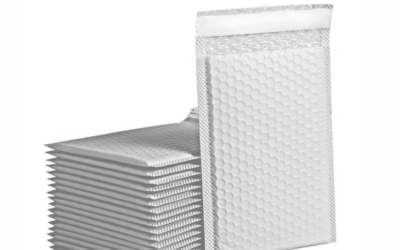
The Last-Mile Cold Chain: How Online Grocery Delivery Beats the Heat in Australia
Online grocery’s fastest-growing cost centre is also its most physics-intensive. Here’s how to engineer last-mile cold chain packaging that actually keeps product safe from depot to doorstep in Australian summer conditions.
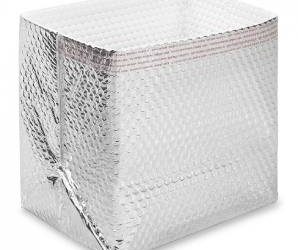
Calculating Transit Time vs Insulation Thickness: The Engineering Trade-Off for Australian Cold Chain
Every cold chain packaging decision involves a trade-off between insulation thickness, refrigerant quantity, packaging cost and available payload volume. This engineering framework shows how to calculate the optimum balance for Australian transit scenarios.
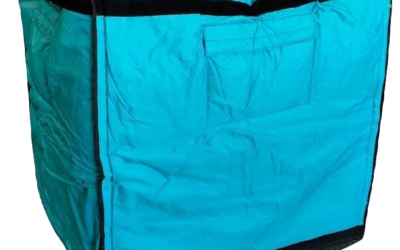
EPS Foam vs PUR Foam vs MPET Liners: A Thermodynamic Performance Comparison for Australian Transit
EPS, polyurethane foam and MPET liners are the three dominant insulation technologies in Australian cold chain packaging. Their R-values, weight penalties, recyclability and performance at 35°C ambient differ substantially — here is the engineering data.
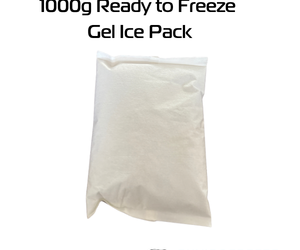
Reusable Gel Packs: Freeze-Thaw Cycle Testing and What Degradation Looks Like
Reusable gel packs are not indefinitely durable. Understanding freeze-thaw cycle degradation — gel syneresis, film fatigue, seal failure — allows Australian cold chain operators to know when packs are failing before a cold chain event proves it.
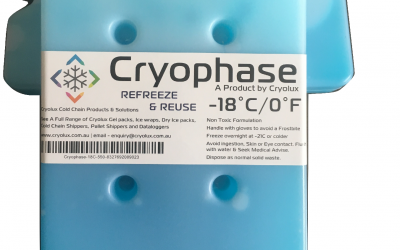
PCM Target Temperature Selection: Matching Your Refrigerant to Your Payload Window
Choosing between 0°C, −5°C, −12°C and −21°C phase change materials is not a matter of preference — it is a thermal engineering decision with direct consequences for payload safety and cold chain cost.
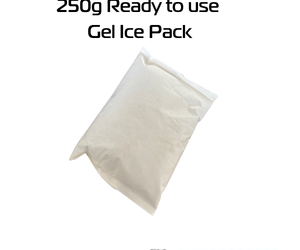
Flexible When Frozen: How Pack Rigidity Affects Contact Efficiency and Cold Transfer
A rigid frozen gel pack leaves air gaps against curved or irregular products. Those gaps are not cosmetic — they fundamentally reduce thermal transfer. Here is the engineering case for conformable pack design in Australian cold chain.
Subscribe