
Our Blog

Freeze Point Engineering: Why −18°C Packs Outperform −4°C Packs in 40°C Australian Summers
Selecting a gel pack freeze temperature is not intuitive — a colder pack is not always better, but the temperature differential between refrigerant and ambient drives cold chain duration in ways most operators underestimate.

What Is Actually Inside a Gel Ice Pack? The Chemistry and Physics of Polymer Gels
Most buyers treat gel packs as interchangeable commodities. They are not. The chemistry of the polymer gel inside determines freeze temperature, thermal capacity, safety profile and longevity. Here is what the engineering data shows.

Cryogenic Safety in the Workplace: Handling, Storage and Disposal of Dry Ice Packs
Dry ice packs in a commercial cold chain setting carry specific safety obligations under Safe Work Australia and state WHS regulations. This guide covers ventilation, PPE, storage limits and disposal requirements.

CO₂ Supply Chain Risk in 2026: What Australian Cold Chain Operators Need to Know
Global CO₂ supply constraints have created dry ice availability risks that Australian cold chain operators cannot ignore. This engineering guide covers supply chain risk, strategic stock management and refrigerant alternatives.
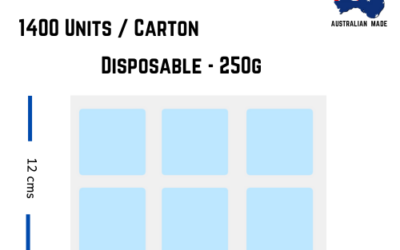
Dry Ice Pack Cell Design: Why 2-Ply and 6×4 Cell Configurations Perform Differently
The geometry of a dry ice pack’s internal cell structure determines how efficiently it transfers cold to your payload. Here’s the engineering analysis behind 2-ply construction and cell configuration sizing.
Cold Chain Temperature Monitoring: Data Loggers, Real-Time Alerts and Compliance Evidence
Temperature data loggers are the black box of cold chain logistics — recording what actually happened to your shipment. Here is how to select, deploy and interpret them for TGA GDP compliance and operational improvement.
Subscribe